
Travel Tips
What to Know Before Your First Trip to Southeast Asia
Planning your first trip to Southeast Asia? Discover practical tips on choosing destinations, visas, transportation, packing, local culture, health, weather and itinerary planning.
By Mounir — Founder, Sand & Island · Published
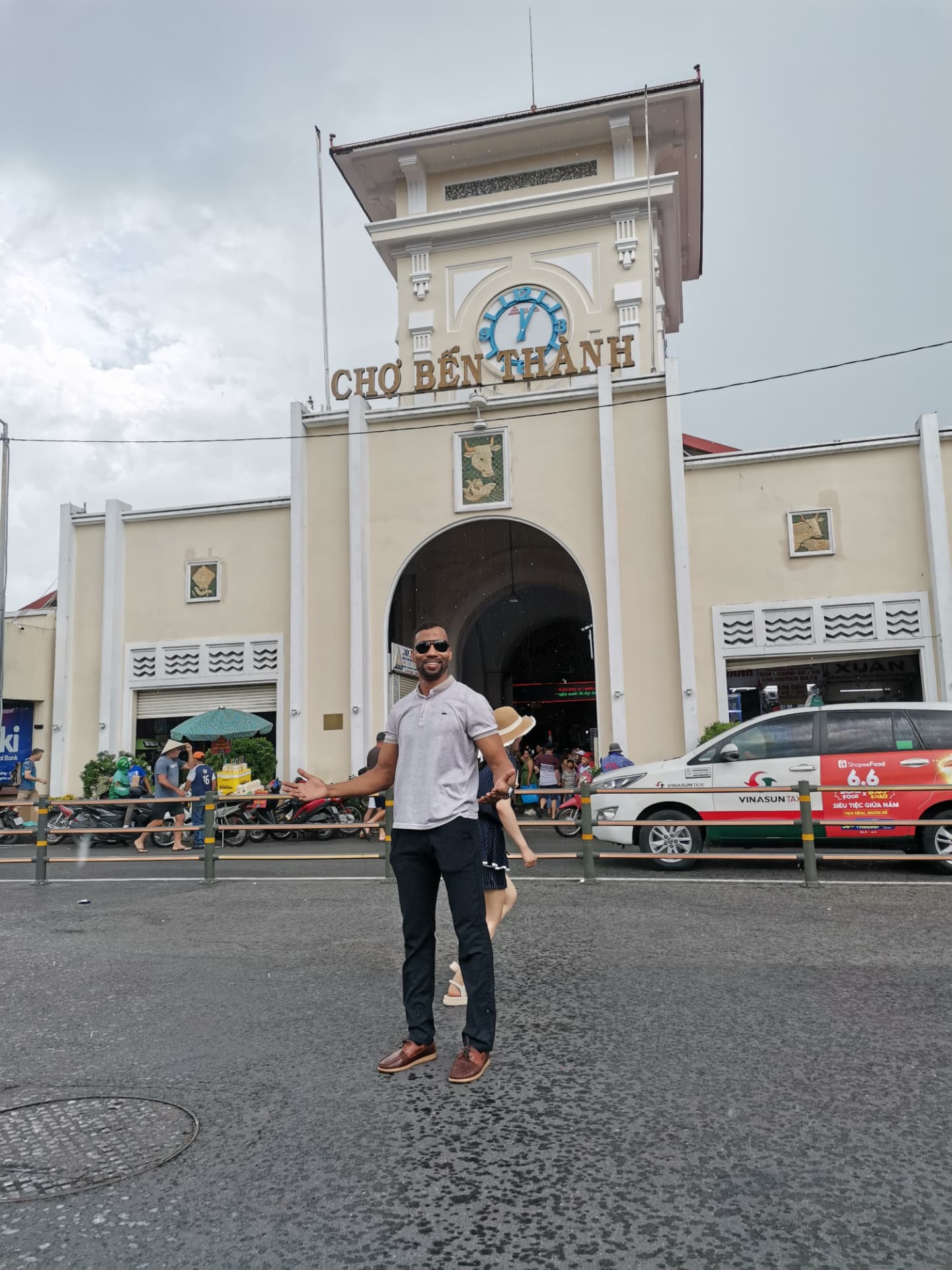
Southeast Asia is one of those parts of the world that can completely change the way you think about travel.
One trip might take you from a busy city street filled with food stalls and motorbikes to a quiet beach, a centuries-old temple, a mountain village, or a night market that seems to come alive after sunset.
For a first-time visitor, however, the variety can also feel overwhelming.
Which country should you choose? How many places can you realistically visit? What should you pack? Do you need a visa? Should you book everything in advance? How much time should you leave between destinations?
The good news is that you don't need to have every detail figured out before you go. You just need a good starting plan.
Here are some of the things worth knowing before your first trip to Southeast Asia.
1. Southeast Asia is not one single travel experience
The first mistake many first-time visitors make is treating Southeast Asia as if it were one destination. It isn't.
Thailand, Vietnam, Malaysia, Indonesia, Singapore, the Philippines, Cambodia, Laos, Brunei and the other countries in the region all have their own cultures, landscapes, food, transportation systems, entry requirements and rhythms of life.
Even within one country, the experience can change dramatically from one destination to another.
- Bangkok is very different from a quiet Thai island.
- Ho Chi Minh City is different from Hoi An.
- Kuala Lumpur is different from the islands of Malaysia.
- Manila is different from Palawan.
- And Singapore is an entirely different kind of city experience.
This is why choosing your destination based on the type of experience you want is often more useful than simply asking which country is "best."
Do you want:
- Beaches?
- Food?
- Culture and history?
- Nightlife?
- Nature?
- Adventure?
- Shopping?
- A relaxed luxury escape?
- Or a combination of several?
Start there.
2. Don't try to see everything on your first trip
Southeast Asia can make ambitious travelers overconfident.
When you look at a map, Bangkok, Kuala Lumpur, Singapore, Bali and Ho Chi Minh City may appear relatively close together. But getting between destinations takes time.
Airports, check-in, transfers, immigration, baggage collection, road journeys and ferry connections can turn a seemingly simple travel day into most of a day. And sometimes the journey itself is part of the experience.
If you only have a week, you usually don't need five destinations. Two destinations can be enough for a very enjoyable first trip.
With more time, you can gradually add another stop — but try to avoid turning your holiday into a checklist of airports. A slower itinerary often gives you more opportunity to actually experience a place.
3. Choose the destination before choosing the itinerary
Instead of beginning with:
"How many countries can I visit?"
try asking:
"What do I want this trip to feel like?"
For example:
- A first Southeast Asia trip focused on culture and food might combine a major city with a historic destination.
- A beach-focused trip might concentrate on one coastal region or island rather than moving between several countries.
- An adventure trip could combine nature, outdoor activities and a smaller number of destinations.
- A first-time city-and-beach holiday might pair a major Southeast Asian city with a nearby coastal destination.
Your itinerary should support the experience you're looking for — not the other way around.
4. Check entry requirements before booking everything
This is one of the least exciting parts of travel planning, but it is one of the most important.
Visa and entry requirements can depend on several factors, including:
- Your nationality
- Your passport
- Your destination
- The purpose of your trip
- The length of your stay
- Your previous travel history in some circumstances
- Your onward or return arrangements
Visa rules are also not permanent. They can change.
The Southeast Asia tourism information portal advises travelers to check the requirements for their specific destination because visa rules differ throughout the region.
For personalized passport and visa information, the IATA Travel Centre is another useful reference because its information is based on requirements collected from official sources and used by airlines.
Our advice: don't rely on an old social media post or a travel article from several years ago when making an important visa decision.
Check the relevant immigration authority, embassy or consulate and your airline before departure.
And remember that having the correct documents does not automatically guarantee admission; final entry decisions are made by the relevant authorities.
If you'd like help preparing an application, see our Visa Assistance service.
5. Give yourself enough time between connections
If you're travelling between countries or combining international and domestic flights, don't build your itinerary around extremely tight connections.
A cheap ticket isn't necessarily a good ticket if a missed connection causes you to lose a hotel booking, tour or another flight.
This becomes even more important when you are using separate tickets. For example, if you book:
International flight → separate domestic flight
you should allow considerably more breathing room than you might with a protected connection on the same booking.
Weather, airport congestion, immigration and baggage delays can all affect your schedule. A little extra time can save a lot of stress.
Our Flight Assistance service can help you compare routes and connection times.
6. Pack for the climate — but don't overpack
Much of Southeast Asia is warm and humid, but conditions vary considerably by country, region, altitude and season.
You don't need to bring your entire wardrobe. For many trips, a practical packing list might include:
- Lightweight clothing
- Comfortable walking shoes
- Sandals
- A light layer for heavily air-conditioned places
- Swimwear if appropriate
- Sun protection
- Insect repellent
- Personal medication
- A reusable water bottle
- A universal travel adapter
- A power bank
- Copies of important travel documents
If you're visiting religious or culturally significant sites, also consider clothing that allows you to dress respectfully when required.
And leave some space in your luggage. You may come home with more than you left with.
7. Learn a few local words
You don't need to become fluent in Thai, Vietnamese, Malay or another local language before travelling.
But learning a few basic expressions can make interactions more pleasant. A simple:
- Hello.
- Thank you.
- Please.
- Sorry.
- How much?
or even a sincere attempt at a local greeting can go a long way.
More importantly, take the time to understand basic local etiquette.
Southeast Asia contains an enormous variety of cultures and traditions, so there isn't one universal set of rules for the entire region. Learning a little about the particular country and communities you're visiting will help you avoid unnecessary misunderstandings.
8. Don't assume that every destination accepts cards
Major cities, international hotels and many established restaurants often accept cards and digital payments.
But smaller businesses, markets, local transport, rural areas and some islands may operate differently. For that reason, having access to some local currency remains useful.
The exact balance between cash and cards depends on where you're going. A city break in Singapore is very different from travelling through smaller islands or rural areas.
Before leaving, check how people commonly pay at your destination and make sure you have a backup payment method.
9. Plan your health and travel insurance before you leave
Travel insurance is easy to ignore when everything is going well. It becomes much more important when something doesn't.
Before travelling, consider coverage for things such as:
- Medical treatment
- Emergency evacuation where relevant
- Trip cancellation
- Travel delays
- Lost or stolen belongings
- Activities you intend to participate in
The World Health Organization recommends researching potential health risks before travelling and suggests consulting a travel-health professional ideally several weeks before departure when appropriate. It also recommends considering comprehensive travel insurance.
If you take prescription medication, make sure you have enough for the trip and check whether there are restrictions on carrying particular medicines into your destination.
10. Respect religious and cultural spaces
Some of the most memorable experiences in Southeast Asia happen in places of religious or cultural importance.
Temples, mosques, churches, shrines and other sacred spaces may have specific expectations regarding clothing, photography, footwear or behaviour. Don't assume that the rules are the same everywhere.
Before visiting an important cultural or religious site, take a few minutes to learn what is expected.
- Dress appropriately.
- Ask before photographing people in sensitive situations.
- Follow signs and local instructions.
And remember that you are visiting someone's home, community or place of worship — not simply another tourist attraction.
Respect will usually take you much further than confidence.
11. Don't plan every minute
This may be the most important piece of advice on the list. Leave some room for things you didn't plan.
- A restaurant recommendation from someone you meet.
- A street you decide to explore.
- A market you didn't know existed.
- A sunset that makes you stay longer than expected.
- A conversation with a local.
- A café that becomes your favourite place.
These moments are often what make a trip memorable. A good itinerary should give you structure without removing spontaneity.
12. Research transportation before arriving
Getting around Southeast Asia can be part of the adventure, but transportation varies enormously. Depending on your destination, you may encounter:
- Metro systems
- Trains
- Domestic flights
- Buses
- Ferries
- Ride-hailing services
- Taxis
- Tuk-tuks
- Motorbike taxis
- Private transfers
Don't assume the fastest-looking option on a map will actually be the easiest. A journey involving an airport, ferry terminal and several transfers may take considerably longer than expected.
When planning your itinerary, consider door-to-door travel time, not just the flight or train duration.
13. Consider the weather when planning your route
There is no single "Southeast Asian season." The region is large, and weather patterns vary between countries and even between different parts of the same country.
Rain doesn't necessarily mean you should cancel a trip, either. A tropical shower can last a short time and then give way to sunshine.
But seasonal weather can affect outdoor activities, ferry routes, road conditions and flights, so it is worth checking conditions for your specific destinations before travelling.
For activities that depend heavily on weather, leave some flexibility in your schedule.
14. Keep digital copies of important documents
Before leaving home, make sure you can access copies of:
- Passport
- Visa or travel authorization
- Flight bookings
- Hotel reservations
- Travel insurance
- Important contact information
- Prescriptions or relevant medical documents
Keep copies somewhere secure and make sure you can access them even if your phone is lost.
It is also worth keeping your phone charged when you're travelling between destinations. A small power bank can become one of the most useful things in your bag.
15. The best itinerary isn't necessarily the cheapest one
Budget matters. But the cheapest option isn't always the best value.
A hotel that is slightly more expensive but saves you an hour of daily transportation may be worth it.
A direct flight may be worth paying more for when it saves a long connection.
A private airport transfer may make sense after a long overnight flight, particularly if you're travelling with children or several pieces of luggage.
The goal isn't always to spend the least. It's to spend your money where it improves the experience.
So, where should you start?
If Southeast Asia is completely new to you, don't begin by trying to plan an entire region.
Choose one country or one combination of destinations that matches the kind of experience you want.
Then work backwards:
- What do I want to experience?
- Which destination fits?
- What season makes sense?
- What are the entry requirements?
- How will I get around?
- Where should I stay?
- Which experiences are actually worth booking in advance?
- What should I leave flexible?
That approach will usually produce a much better trip than simply trying to fit as many destinations as possible into one holiday.
One last thing: leave room for the unexpected
Southeast Asia is a region where travel can feel wonderfully unpredictable.
- Plans change.
- Weather changes.
- You discover places you weren't expecting.
- You find food you didn't know existed.
- You meet people who change your plans.
Sometimes the best part of the trip is the thing that wasn't on the itinerary.
So plan carefully — but don't plan so tightly that there is no room left to experience the destination.
Travel further. Experience more. That's the idea.
Planning a Southeast Asia trip?
If you'd rather have someone help you put the pieces together, Sand & Island can help with travel planning, flights, accommodation, airport transfers, tours and activities, and visa assistance.
Tell us where you're thinking of going, your approximate dates and what kind of experience you're looking for.
We'll research suitable options and help you build a trip that fits your plans.
Plan My TripTravel information note
Travel requirements, visa rules, health recommendations, transportation schedules and entry procedures can change. The information in this article is intended as general travel guidance, not immigration, legal or medical advice. Always verify current requirements with the relevant government authority, embassy or consulate and your airline before travelling.